
The Most Subtle Soft Selling: Selling a Healthy Lifestyle to Boost Product Image
I Putu Premaditya Gosri Perdana
2/19/20263 min read
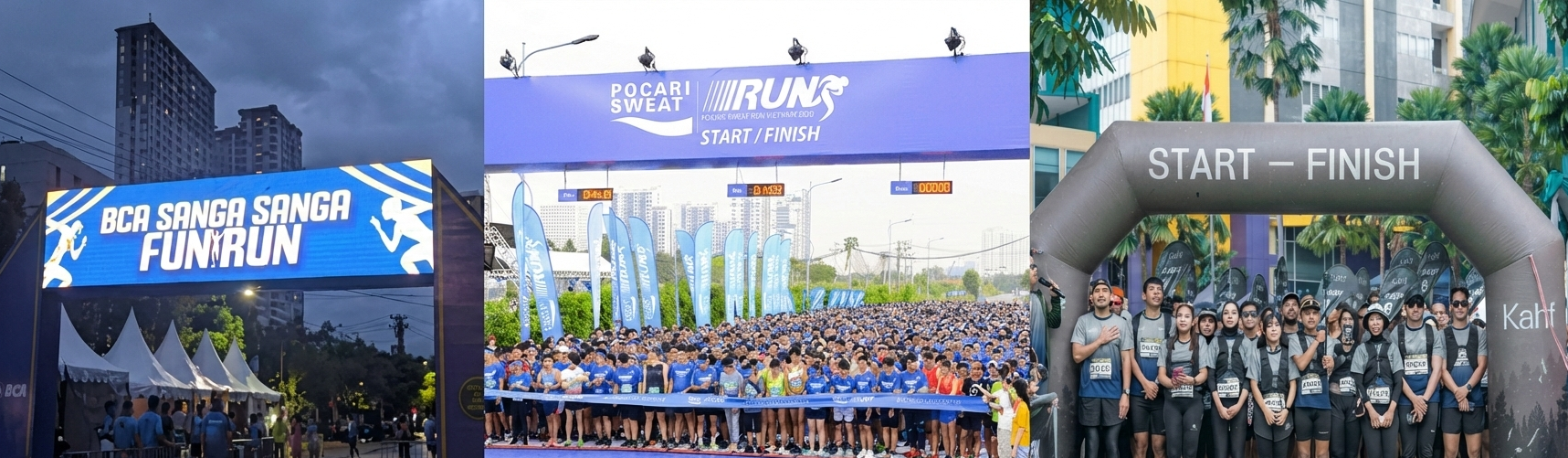
Try opening your social media on a Sunday morning. Your feed will likely be filled with photos of your friends showing off their medals, sweaty but happy faces. However, if you look closely, you'll notice that the logos emblazoned on their jerseys or chest numbers are often not sports shoe brands, but rather banks, insurance companies, and even skincare products. This phenomenon is no coincidence. It's a form of advanced soft selling, where brands no longer explicitly advertise product benefits but instead facilitate their audience's aspirations for a healthy lifestyle. Unwittingly, thousands of participants are "buying into" the narrative and values the brand has built through a fun running experience. So, how does this strategy work to transform sweat into a branding asset?
Here are four analytical points on why selling a healthy lifestyle is a powerful way to boost a product's image:
1. Transforming Consumers into Voluntary "Walking Billboards"
This strategy creates a very high level of marketing efficiency through the direct, active involvement of participants in the event. The high cost of renting static advertising space often places a significant burden on companies' budgets. Organizing running events offers a very smart solution, as participants are willing to spend their own money to obtain official event attributes. Products such as running jerseys with attractive designs and strategically placed logos are seen as symbols of pride by each individual who wears them.
These attributes are worn confidently throughout the race on the track. The use of these garments continues during various routine sports activities, such as training in city parks or fitness centers on weekdays. Thousands of people automatically transform into walking promotional media that spread organically throughout society. The presence of a company logo in a public space feels very subtle and blends perfectly with people's daily healthy lifestyle routines. This marketing method creates a lasting visual impact and can reach potential new consumers through social interactions that seem very natural to everyone who witnesses it.
2. Shifting Image from Stiff Corporate to Lifestyle Friend
Hosting a running event is a highly effective strategic move to transform public perception of companies in the formal sector. Industries such as banking, insurance, or property are often viewed as rigid entities and too distant from consumers' daily lives. The presence of a brand on a running track helps humanize the overall corporate identity in the eyes of the wider public. Consumers will see the company as a friend who deeply cares about their health and well-being.
This approach successfully breaks down the barriers between service providers and users through a more relaxed interaction. The brand image will evolve to become more dynamic and fresh in line with current lifestyle trends. The positive narrative built through physical activity makes it easier for the brand to enter the lifestyle circles of a younger generation who value physical well-being. Each running step, supported by this corporate identity, reinforces the message that the company is a true partner in achieving long-term happiness. This transformation makes the company's identity feel much more relevant and easily accepted by a wider audience.
3. Social Validation Through Mass User-Generated Content (UGC)
Marketing strategies in the current digital era reach their peak effectiveness when people voluntarily share positive experiences with the wider public through personal platforms. A running event serves as a platform for massive content creation for every individual involved. Thousands of participants document every precious moment, from their attractive workout gear to the thrilling moments of crossing the finish line. They upload photos of their medals and videos of the event's excitement to various social media channels, sparking curiosity among those who view them.
This wave of organic information creates a powerful social engagement effect within their respective circles of friends. The presence of the brand's identity logo in these thousands of posts builds the company's credibility in the eyes of the public in a tangible and convincing way. Public trust builds naturally because the recommendation comes directly from a well-known and respected person within the social circle. This method can embed a positive brand image in the audience's collective memory in a very subtle way and has a tremendous long-term impact on the company's reputation.
4. Emotional Association Through the "Endorphin Effect"
This marketing strategy works by leveraging the natural biological mechanisms at work in the human body during high-intensity physical activity. When a participant successfully crosses the finish line after completing a running challenge, the central nervous system automatically releases large amounts of endorphins throughout the body. This surge of hormones immediately creates an explosion of feelings of happiness, deep emotional satisfaction, and an overwhelming sense of pride in achieving a personal goal.
The company's position as the primary organizer places the brand identity squarely at the center of the euphoric momentum felt by each runner. Participants' subconscious minds automatically identify the brand's presence as an element integral to their most memorable moments of joy. This phenomenon builds a very strong psychological bond between the company's image and positive life values such as fighting spirit, abundant energy, and proud achievements. This emotional bond emerges naturally through authentic, firsthand experiences, effectively conveying the marketing message without the need for overly complex narratives. The brand identity ultimately becomes deeply embedded in participants' long-term memories as an entity that significantly supports their productivity and quality of life.
Contact
Contact us for professional marketing services
Telephone
© 2026. All rights reserved.